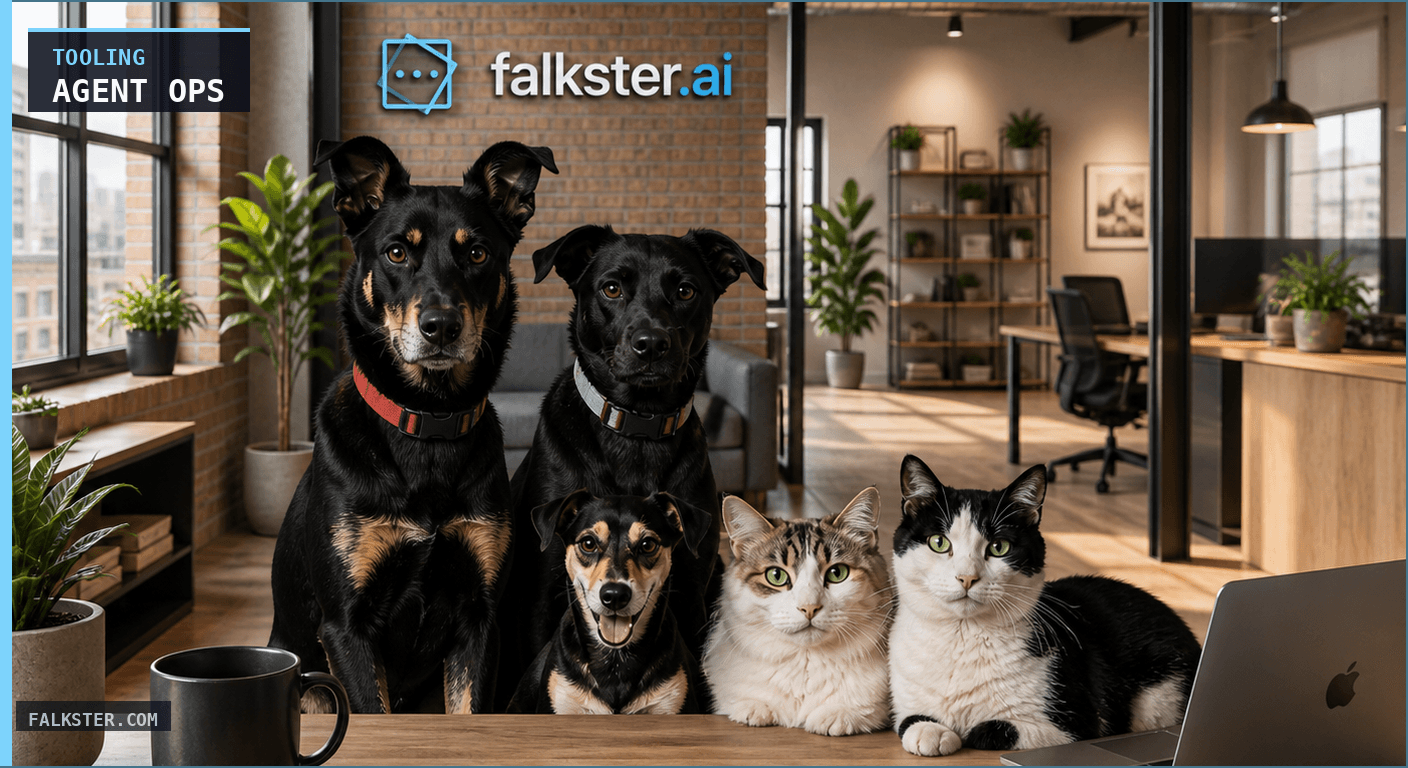
The short version
This week I onboarded the Agent Operator team at falkster.ai. Six new hires. Three species. Median experience level: very alert. Compensation: treats.
The team is now responsible for supervising the AI agents that build the product, run the ops, and keep the lights on. Five days in, they have filed 8,400 alerts (two of them real), maintained one continuous context window through a six-hour conversation, and not let a single bad prompt ship. We are tuning precision in week two.
Headshots are at /about under "🐾 The team." Org chart, role descriptions, and compensation philosophy below.
Why hire an Agent Operator team
Falkster.ai is built by agents. The product roadmap is shipped by agents. The marketing site is generated by agents. The customer outreach is drafted by agents. The on-call rotation, until last week, was technically also an agent.
The thing nobody tells you about an all-agent stack is that the agents need supervision. Not because they are unreliable. They ship more code than the engineers I had at any previous company. The reason they need supervision is that nobody else in the building is bored enough to watch them do it. For the architecture behind the fleet being supervised, see Your AI Agent Fleet.
That is the Agent Operator brief. Stay alert. Watch the dashboards. Notice when something is off. File a ticket. Sleep on the keyboard if necessary.
You cannot hire a human for this role. Humans get curious about other things. They need lunch breaks. They want career growth. The Agent Operator role rewards a very specific cocktail of attentiveness, patience, and willingness to stare at a single surface for nine hours.
So I went outside the human candidate pool. I went to the floor. I went to the cat tree.
Meet the team
Employee #1: Floh, Head of Anomaly Detection
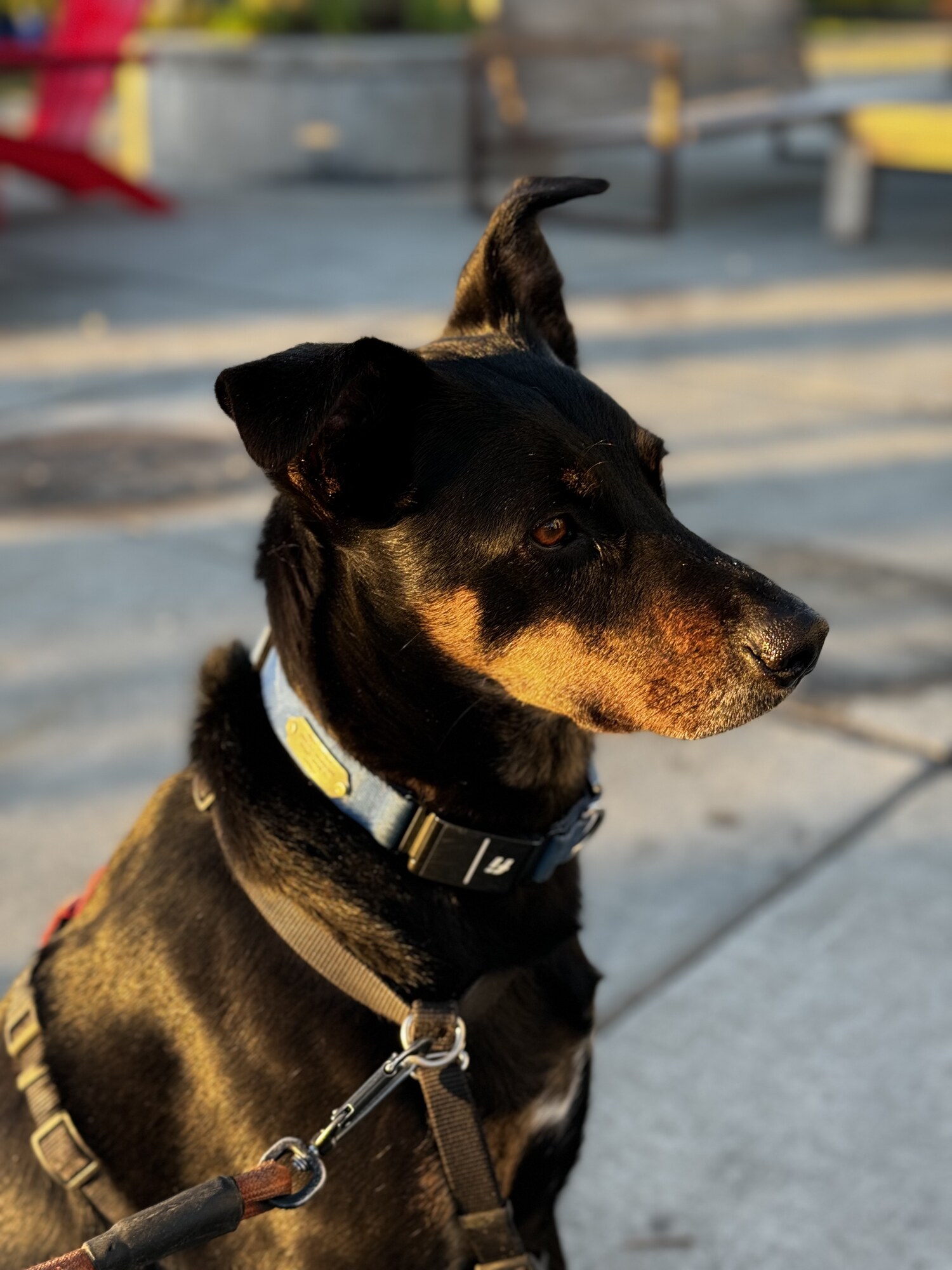
Floh joined from a previous role in residential perimeter security. He came highly recommended by every delivery driver in the neighborhood.
His brief is simple. Watch the perimeter. Notice anything out of distribution. File alerts. We have a 14-hour standing meeting that consists of him sitting in the doorway looking attentive, and me checking the alert queue.
In his first week he filed 8,400 alerts. Two of them were real. The other 8,398 were squirrels, mail carriers, and a single rogue plastic bag. We are working on precision in his next sprint.
Employee #2: Maus, Principal Context Manager
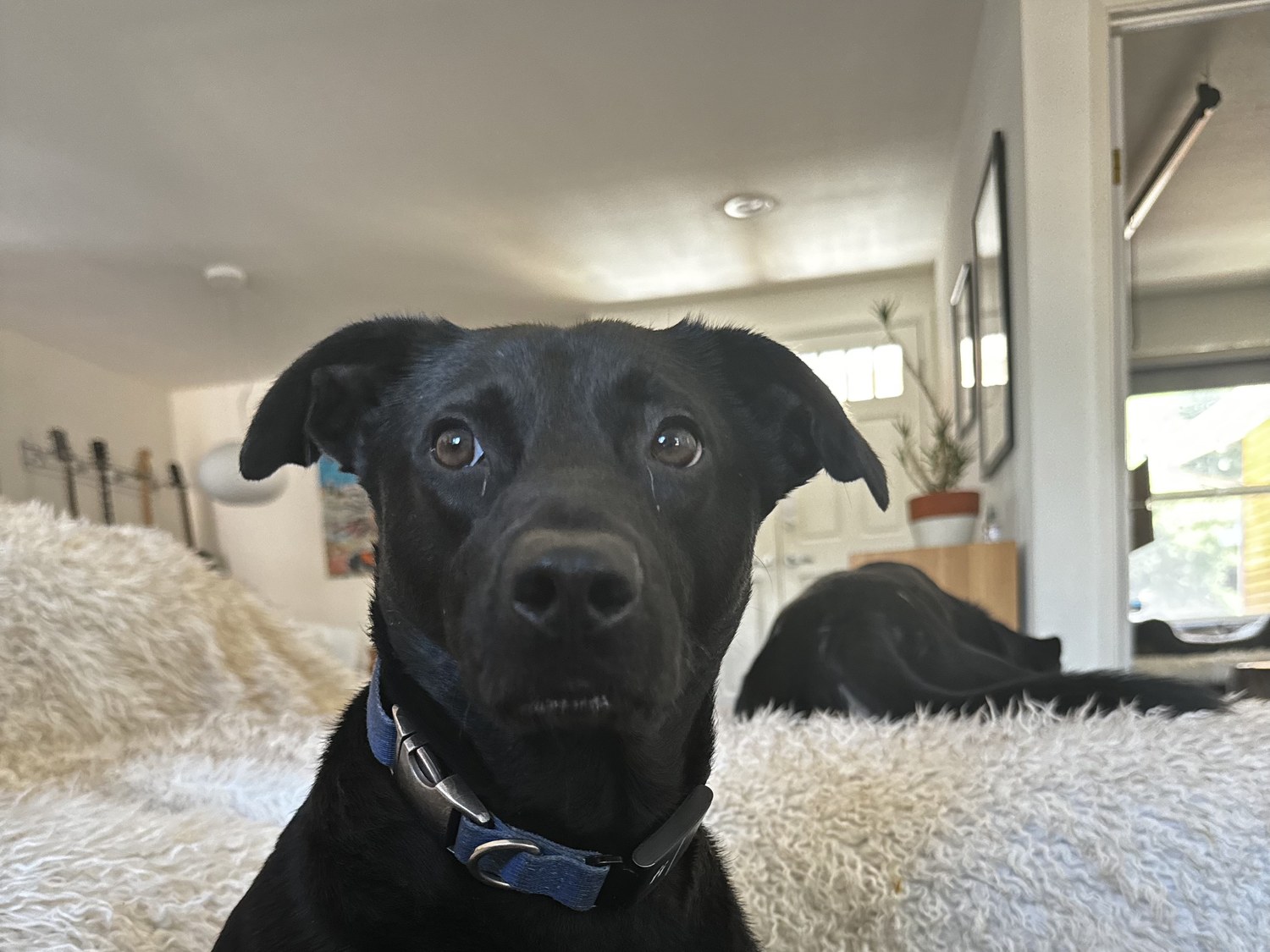
Maus runs the long-context window. His job is to hold the entire conversation in working memory and not lose any of it. He does this by sitting in the same spot for six hours, eyes locked on the speaker, while the speaker forgets what they were saying.
Compared to typical context windows that need to be rebuilt every session, Maus achieves persistent state through sheer commitment. He has not lost a token in production.
His one limitation is latency on a specific keyword. If you say the word "treat" at any point during the session, the entire context window terminates immediately and he relocates to the kitchen.
Employee #3: Biene, Chief Auditor
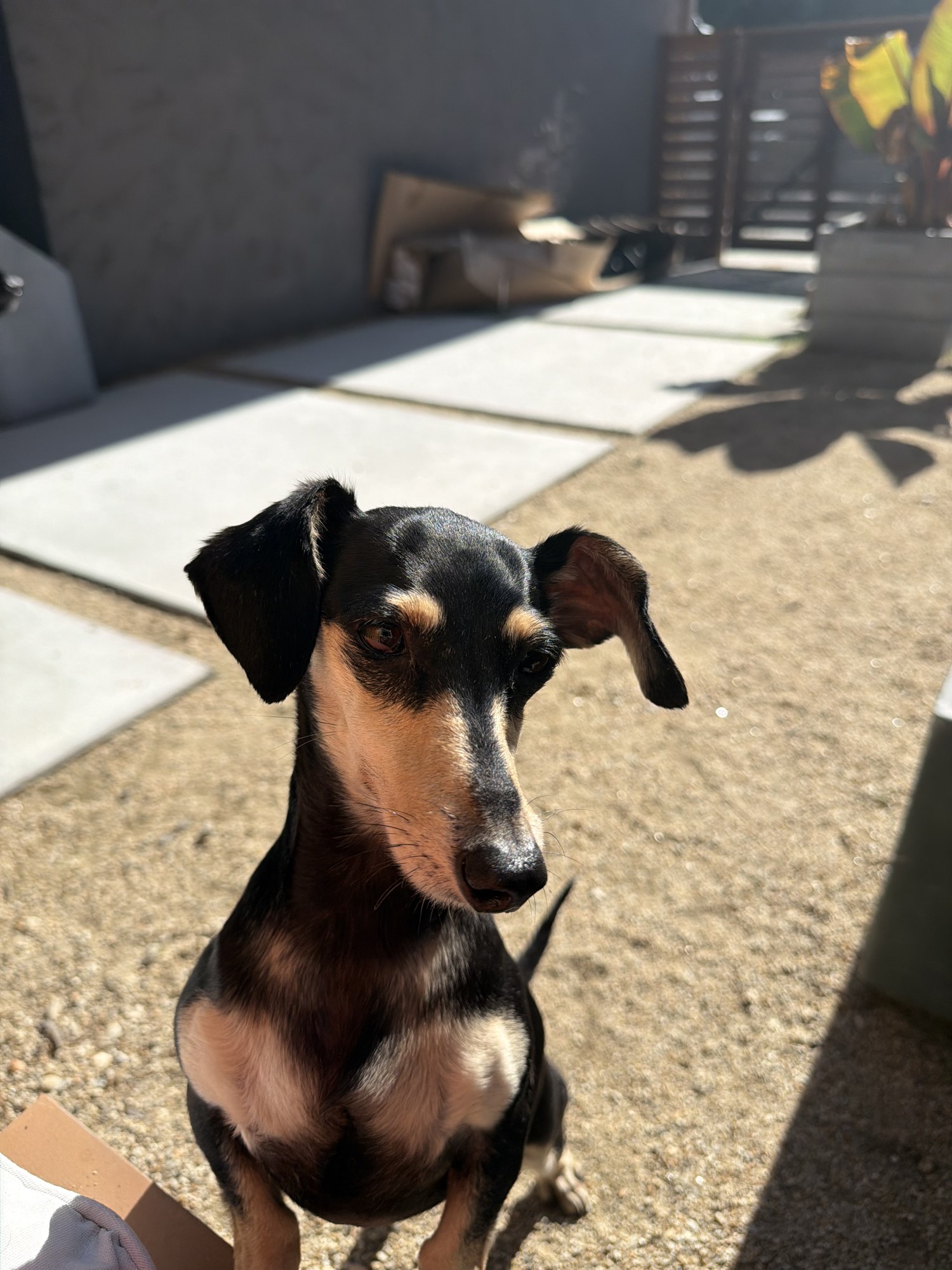
Biene is the team's quality function. She inspects every prompt, every output, and every commit message before it ships. She slows the pipeline by 40 percent. We have decided this is worth it.
Her secondary contribution is rate-limit management. She falls asleep on me or on my keyboard about five minutes into the workday and snores loudly enough that the agents can run uncapped, drowning out the rate-limit alarm. Net throughput is unchanged.
Employee #4: Bertie, Senior Observability Engineer
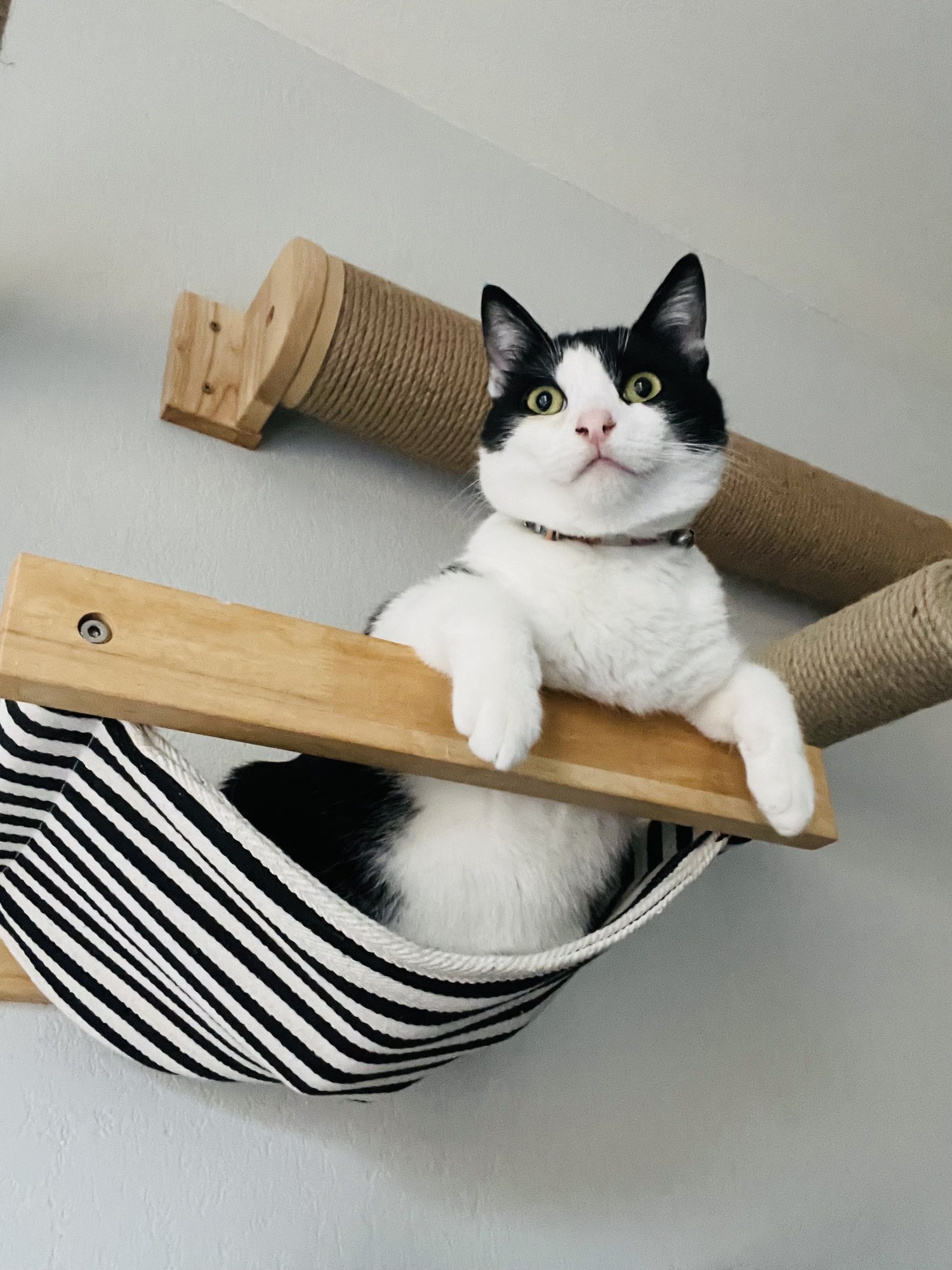
Bertie watches the production environment from a wall-mounted dashboard. The dashboard is technically a striped hammock attached to a cat tree, but the operating principle is the same. He has elevation, line of sight, and a bell on his collar that functions as a physical pager.
He files exactly one alert per day, usually at 5:47 p.m., which is forty-five seconds before dinner. The alert is correctly triaged 100 percent of the time.
Employee #5: Rowan, Director of Idle Compute
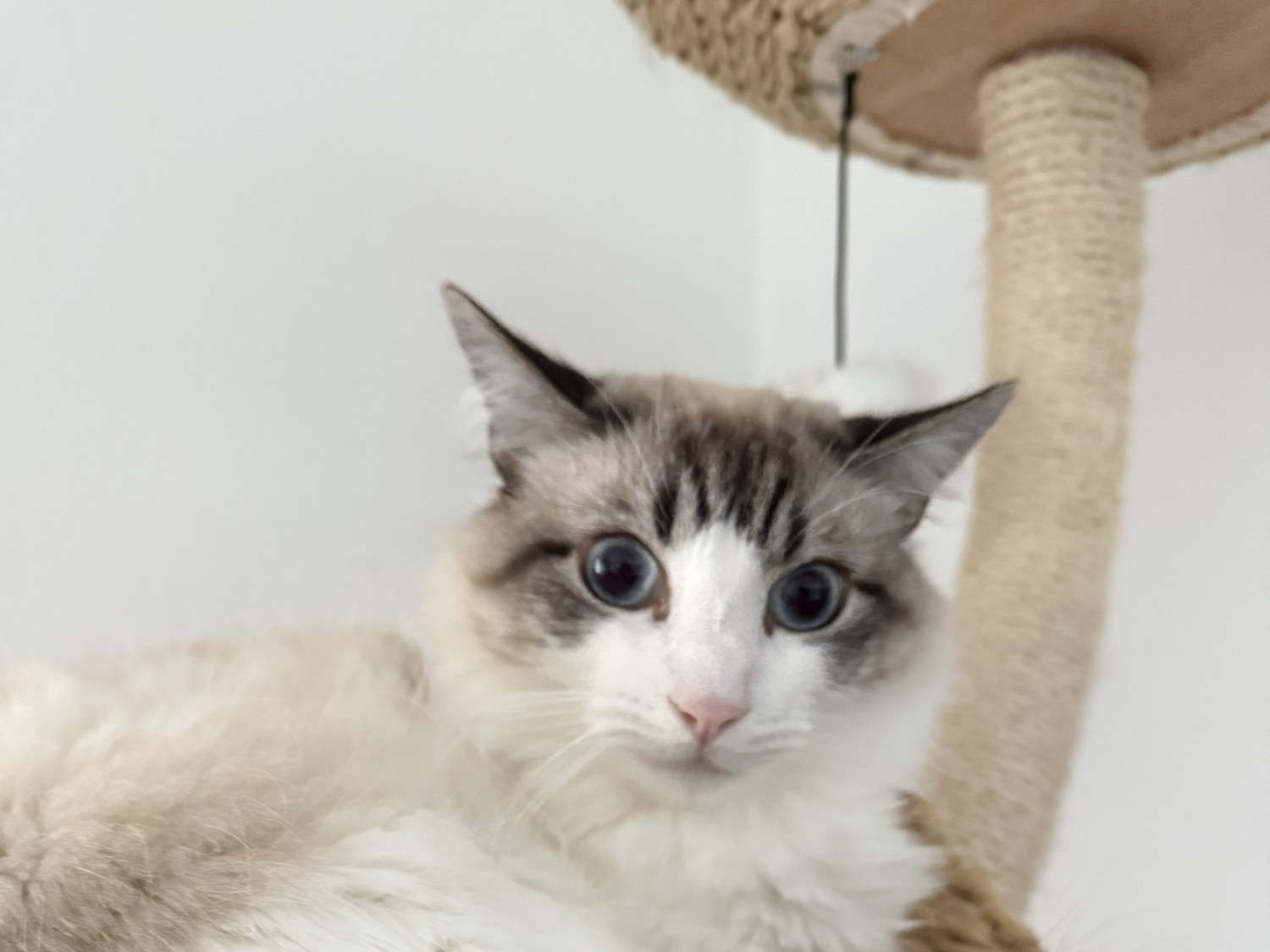
Rowan handles the team's idle-compute pool. The principle here is that you want capacity available the instant a request lands, but you do not want to pay for it while it sits unused. Rowan solves this by being pre-warmed at all times.
He looks asleep. He is not. He wakes up faster than our autoscaler. His contract specifies twelve hours of napping per day, which I assumed was a typo until I read the fine print.
He is the team's only employee whose response time has been measured in nanoseconds, when the response is to a can opener.
Employee #6: The Chicken Support Team, Multi-Agent Support Cluster
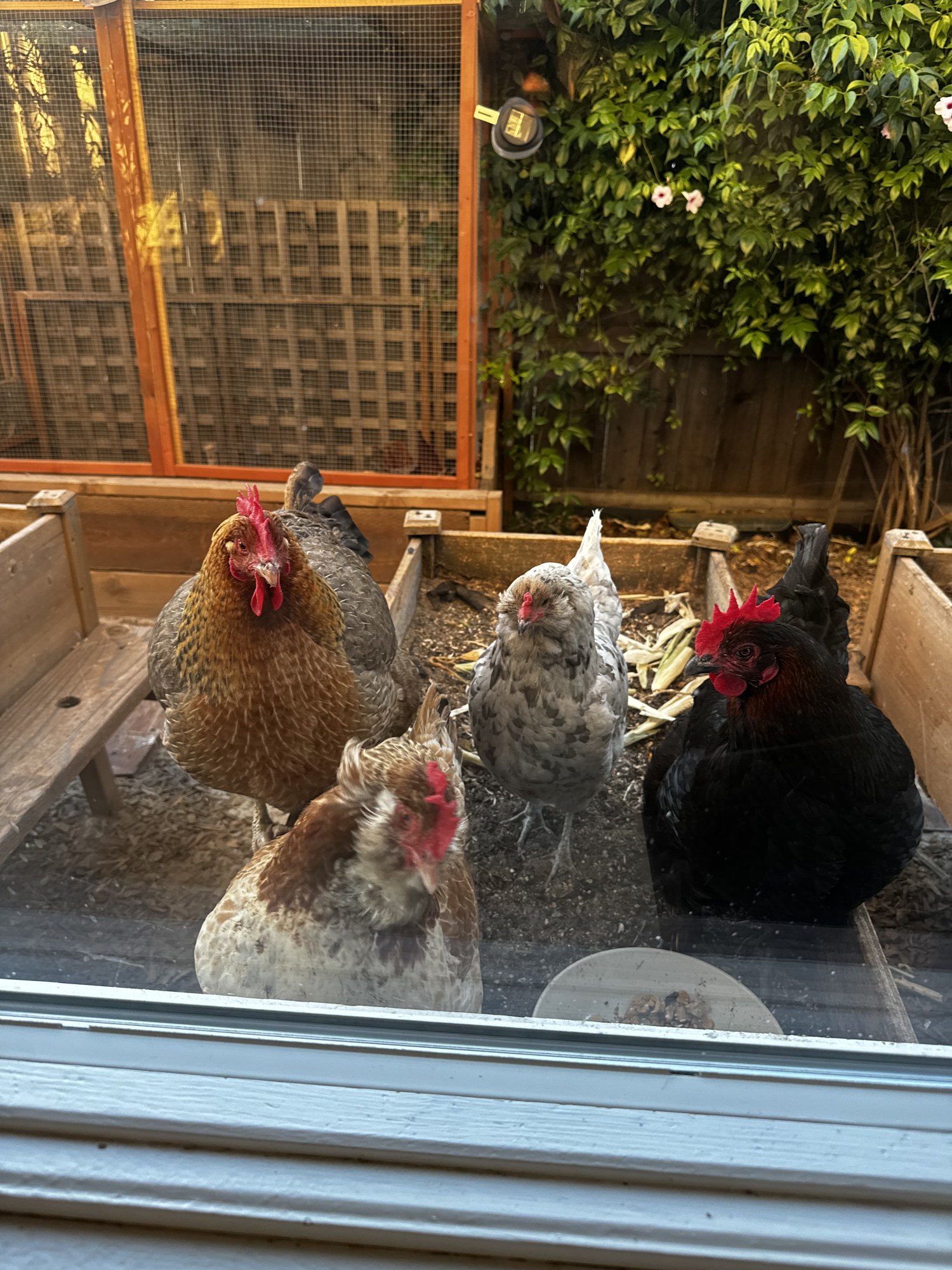
The Chicken Support Team is nine. Five are visible in the latest photo. The other four are off-cluster handling other queries. They are the only horizontally-scaled member of the org.
Their brief is customer success, defined broadly. They take questions from anyone who shows up at the coop. Their median response time is instantaneous, if you are holding food. Their throughput drops sharply at sunset, in line with the standard egg-based pricing model.
I have not yet figured out how to attribute revenue per chicken. The cluster as a whole is profitable.
Office culture
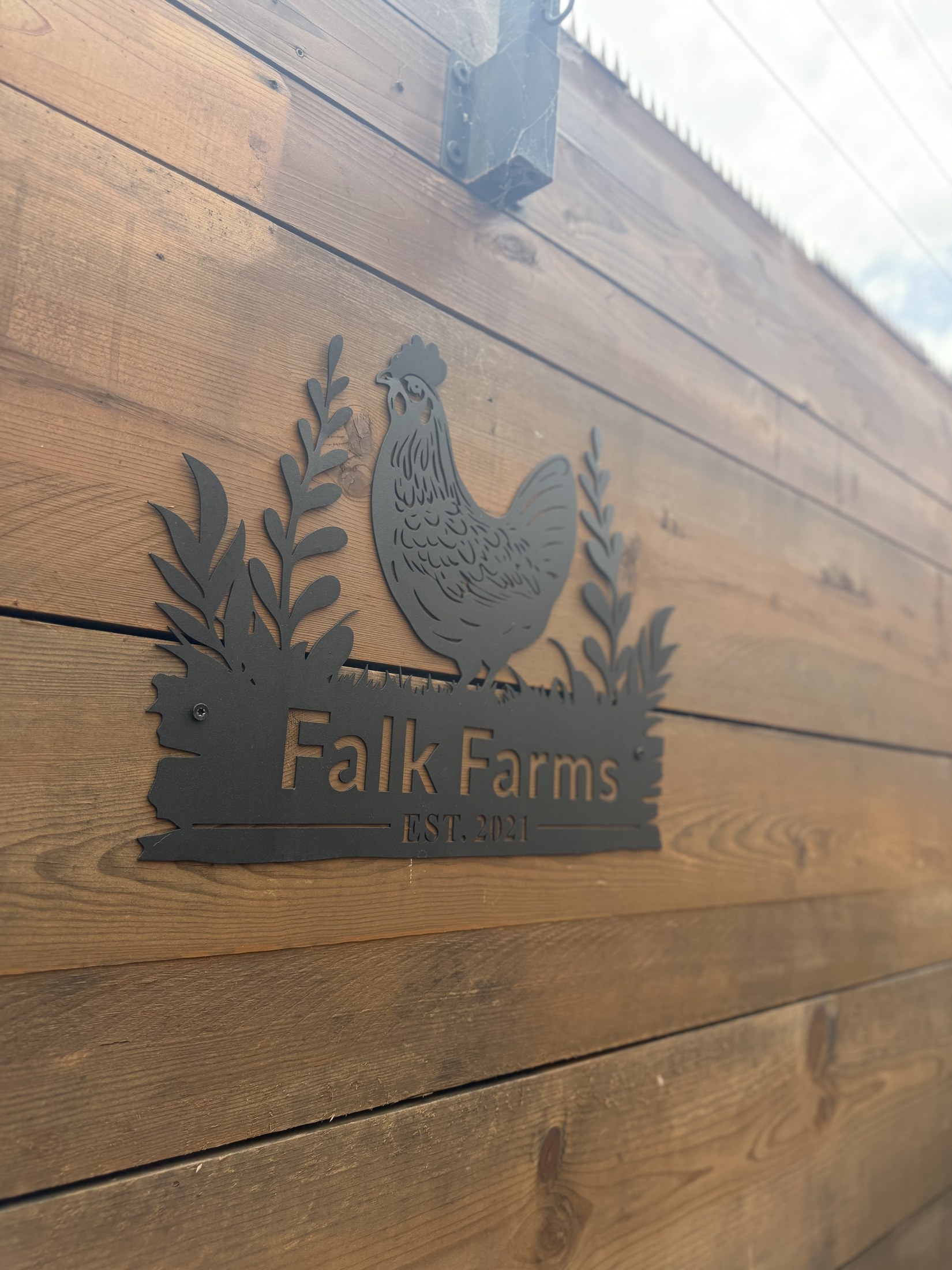
We follow the Silicon Valley startup playbook, with one variation. The entire team lives at HQ. The headquarters of falkster.ai, also known as Falk Farms (est. 2021), is our incubator. Founders, agents, and Agent Operators all share the building. Bunk space is allocated by species. Commute is zero. Every YC partner has been telling startups to do this for fifteen years. We are just the only ones taking the advice literally.
The team rhythm is intense. We average five to eight team events per day. Most are trips. They are unscheduled, self-organising, and food-adjacent. The signal is invariable: I walk into the kitchen and the entire team is already on the bus.
On compensation
The team is paid strictly in treats. Open-market compensation for a senior Anomaly Detection role in this region is somewhere north of $180k. We are paying about $0.04 per hour in freeze-dried liver, plus benefits: heated bed, the occasional belly rub, full medical.
I am told this would not pass standard HR review at most companies. We are exploring whether the saved compensation budget should be reinvested in compute or in more chickens.
What the first week taught us
Three observations from the first five days.
The Agent Operator role works. The agents continued shipping. The team continued watching. I, the PM, continued being supervised by something at all times.
The org chart is more vertical than I expected. Maus reports directly to my lap. Biene reports to my keyboard. Bertie reports to the cat tree. Rowan reports to a basket. The chickens report to the run. Floh is the only one with a roving brief, and uses it to file alerts about plastic bags. You can see the agent fleet they supervise in the Agent Sandbox.
The role is not about replacing humans. It is about putting attention back into the loop without spending salary or attention budget on it. The pets do not have other things they would rather be doing. Neither do the agents. The PM does. That is the trade. The whole PM Agent Stack series is the agent half of this story; this post is the supervisory half.
What's next
The team is fully onboarded. Headshots are up at /about. If you have a falkster.ai feature request, route it through the Chicken Support Team. If you have a critical bug, escalate to Bertie. If you want to philosophize about what role AI plays in modern product organizations, Maus is in his standard spot, ready to hold the entire conversation in working memory while you forget what you were going to say.
Just do not say the word "treat."
Sources: All headshots by Falk Gottlob, Q2 2026, on the occasion of the team's onboarding. Compensation data per the official Agent Operator handbook (data/admin/team.json on the falkster.com repo). Chicken count verified manually.
Also on Medium
Full archive →AI Agents and the Future of Work: A Pixar-Inspired Journey
What product managers can learn about AI agents from how Pixar runs a film team.
Many AI Agents Are Actually Workflows or Automations in Disguise
How to tell agents from workflows from cron jobs, and why it matters for what you ship.
Frequently asked
Who manages the AI agents at falkster.ai?+
A six-member Agent Operator team. Three dogs, two cats, nine chickens. Onboarded the week of May 4, 2026. Roles span Anomaly Detection, Context Management, Quality Auditing, Observability, Idle Compute, and Multi-Agent Support. The team replaced no humans. It absorbed the supervisory load that humans were not staffed to carry.
Is this satire or a serious operating model?+
Both, and the line moves. The pets are real, the photos on /about are real, the compensation in treats is real. The roles are deliberate parodies of the real shape of agent operations work: someone has to watch the agents, file alerts when something is off, slow down review when the output is shaky, and stay attentive on a 14-hour shift without checking their phone. Pets do that better than most humans.
Does this actually work?+
Five days in, the team has filed 8,400 alerts (two real, the rest squirrels), held one persistent context window through a six-hour conversation, and not let a single bad prompt ship. The agents continued shipping product. The PM (me) was supervised at all times. Net throughput on the team is unchanged from before, but my attention budget is freer.
How do you compensate an Agent Operator?+
Strictly in treats. Open-market comp for a senior Anomaly Detection role in this region is north of $180k. The team is on roughly $0.04 per hour in freeze-dried liver plus benefits (heated bed, the occasional belly rub, full medical). HR has questions. Finance has stopped asking.
What's the relationship between this team and the PM Agent Stack series?+
The agents the team supervises are the ones described in the PM Agent Stack series. The team is the human-in-the-loop that the personal stack still requires, only the human turned out to be a dog. The series explains what the agents do; this post explains who watches them.
Can I hire my own pets to do this?+
Yes. The Agent Operator role rewards attentiveness, patience, and willingness to stare at the same surface for hours without checking notifications. Most pets meet the bar. Cats are best at observability and idle-compute roles. Dogs cover anomaly detection and context management. Chickens are the closest thing to a horizontally-scaled support cluster you can hire without a Kubernetes license.

Comments (0)
Sign in with LinkedIn to leave a comment.
Sign in with LinkedIn